


Home Affordability Challenges in New Mexico's Changing Market

Rising home prices, higher interest rates, and fast‑climbing insurance and tax bills are reshaping what “affordable” really means for today’s buyers, and New Mexico households are feeling those pressures just as sharply as the rest of the country.
The long‑standing guideline that families should spend no more than 30% of their income on housing still serves as a useful benchmark, but as NAR economist Nadia Evangelou notes, that threshold hits very differently depending on income and local cost trends. In New Mexico, where median wages lag behind national averages and many communities face limited housing supply, even modest increases in taxes, insurance, or utility costs can push a buyer from “comfortable” to “cost‑burdened” quickly.
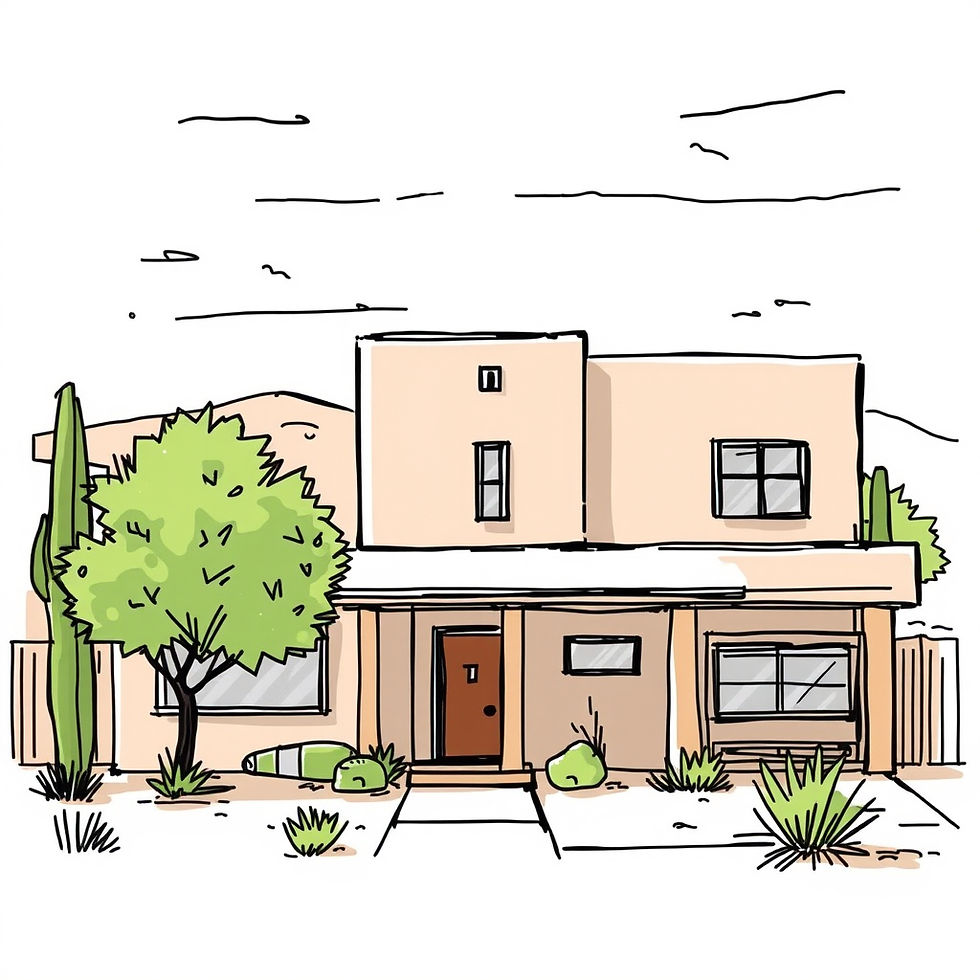
Homeowners in rural counties—from Grant to San Juan Counties—have seen insurance premiums rise due to wildfire risk, while metro areas like Albuquerque and Santa Fe face higher home prices and escalating property valuations. These hidden or underestimated expenses—maintenance, utilities, HOA fees, and especially insurance—can add hundreds of dollars per month, mirroring national findings that many buyers experience payment shock after closing. With New Mexico’s aging housing stock, buyers also need to plan for repairs and energy‑efficiency upgrades, which can further strain budgets if not anticipated.
The takeaway is clear: affordability isn’t just about qualifying for a mortgage. It’s about understanding the full picture—taxes, insurance, utilities, maintenance, and local market pressures—so New Mexicans can make sustainable, long‑term decisions about homeownership.


Comments